

Supporting healing, self-expression, and growth through creativity and connection.
Art Therapy in Phoenix That Helps Unique Minds Thrive
When Words Aren’t Enough, Art Can Speak
Art therapy is a form of therapy that uses creative activities like painting, drawing, collage, and sculpture to help people explore emotions and experiences that are hard to put into words. Guided by a trained art therapist, it pairs the act of making art with reflection, so the focus stays on expression and meaning rather than artistic skill. At Creative Continuum, we use art therapy with children, teens, and adults in Phoenix to ease anxiety, work through trauma and grief, build self-awareness, and reconnect with confidence. You do not need any art experience to benefit, since the value comes from the process of creating rather than the finished piece.

When Words Aren’t Enough, Art Can Speak
Sometimes it’s hard to find the right words for what you’re feeling. You or your loved one might be carrying emotions that feel too big, too tangled, or too abstract to explain. Whether it’s anxiety, trauma, grief, or simply the stress of everyday life, these experiences can leave you feeling disconnected, from yourself, your emotions, or others around you.
At Creative Continuum, we believe healing doesn’t always have to start with talking. Through art therapy, children, teens, and adults can explore what’s inside through color, texture, shape, and movement, expressing what words cannot.
Art therapy provides a safe, creative space to make sense of emotions, build resilience, and reconnect with inner strength and hope.
Common Challenges Art Therapy Can Help With
Difficulty expressing thoughts or emotions verbally
Anxiety, depression, or emotional overwhelm
Trauma or loss that feels “stuck” in the body
Low self-esteem or self-criticism
Behavioral or attention challenges in children
Feeling creatively blocked or disconnected from purpose
Art therapy offers another way to process pain, find clarity, and experience healing that feels real and embodied, not forced.
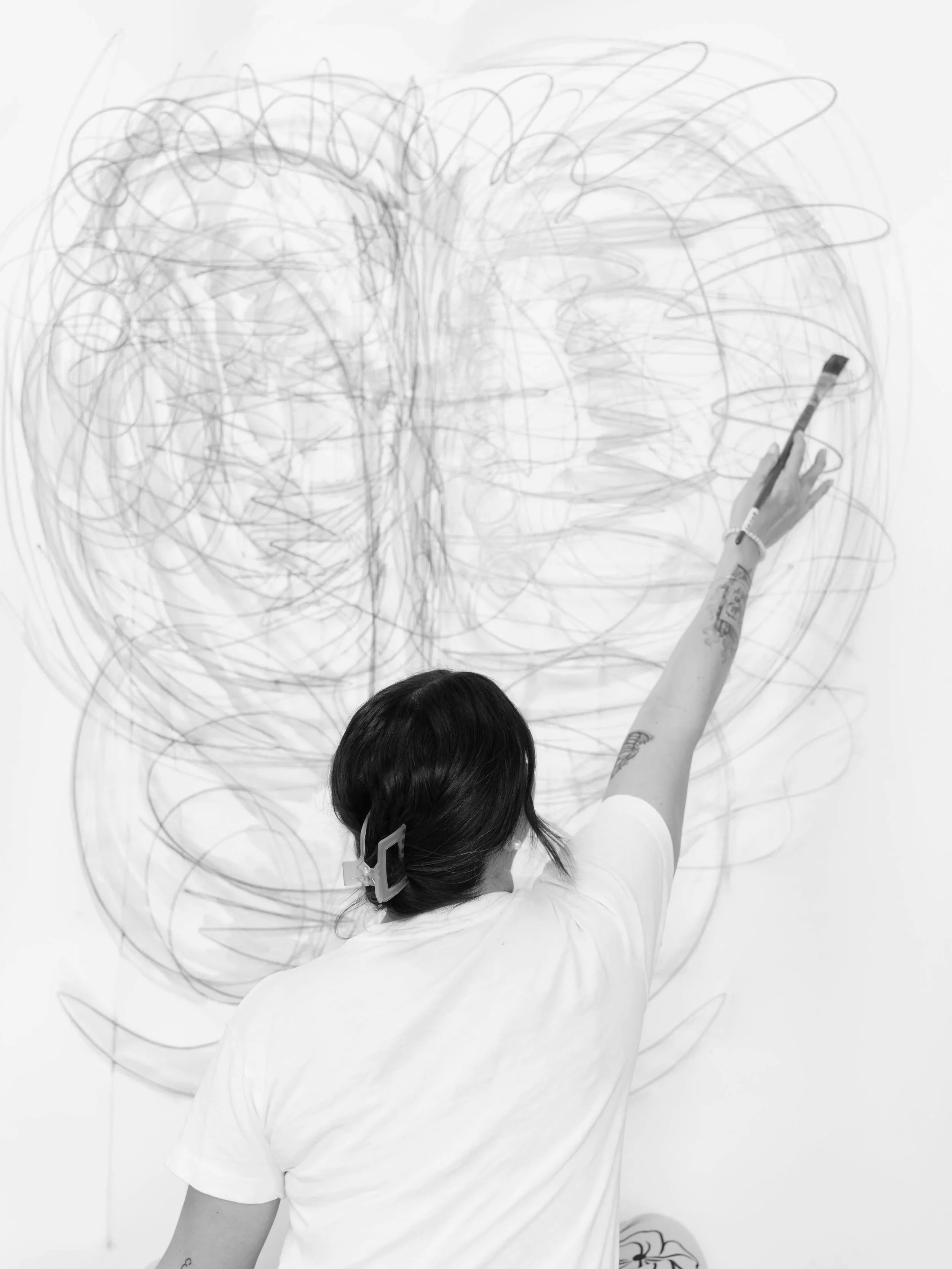
Art therapy offers children, teens, and adults a supportive space to express themselves, process emotions, and strengthen confidence through creative, hands-on healing.
Our Approach: Creative, Evidence-Based, and Centered on You
At Creative Continuum, our art therapists meet clients where they are, with patience, curiosity, and compassion. We integrate clinical expertise with the freedom of creative expression, helping you or your loved one reconnect with emotion, identity, and meaning in a way that feels natural and empowering.
Sessions may involve painting, collage, sculpture, journaling, or other forms of creative expression, always tailored to your comfort level and therapeutic goals. You don’t need to be “artistic” to benefit from art therapy; the process is about expression, not perfection.
Art Therapy Can Help You or Your Loved One:
Process emotions and experiences that are hard to verbalize
Build emotional regulation and self-awareness
Reduce anxiety, depression, and stress
Strengthen communication and self-confidence
Reconnect with creativity, joy, and possibility
For children and teens, art therapy provides a playful, nonjudgmental outlet for expression, helping them develop coping skills, self-esteem, and a sense of safety.
For adults, it offers a space to rediscover voice, process past pain, and nurture personal growth through creativity.
Art Therapy: Frequently Asked Questions
Art therapy works by giving people a way to express thoughts and feelings through making art, then exploring what comes up with a trained therapist. The act of creating can surface emotions that are hard to access through conversation alone, and the therapist helps connect those images to what a person is experiencing. Over time, this builds self-awareness and offers new ways to process difficult experiences. At Creative Continuum, the pace and materials are matched to each client's comfort and goals.
Art therapy rests on the idea that creative expression can support emotional healing, and that the process of making art matters more than the result. It treats the image as a form of communication, giving people a way to externalize what they feel and look at it from a small distance. A trained art therapist holds a nonjudgmental space and helps make meaning from the work without imposing interpretations. The aim is insight and growth, not producing something that looks a certain way.
Art therapy is effective because it engages parts of the brain and body that talking alone may not reach. Making art can lower stress, regulate emotion, and give shape to experiences that feel too big or tangled to describe. For many people, seeing a feeling take physical form makes it easier to understand and work through. It also tends to feel less intimidating than explaining everything out loud, which helps people open up at their own pace.
Art therapy can help people process emotions that are hard to verbalize while easing anxiety and stress. For children and teens, it offers a playful, low-pressure outlet that supports coping skills and self-esteem. Adults often use it to work through past pain and reconnect with creativity and a sense of purpose. Because the focus stays on expression rather than skill, many people feel safe enough to go deeper than they expected.
Art therapy helps people of all ages, from young children to older adults, and you do not need any artistic ability to take part. It can be a good fit for those who find talk therapy difficult, who feel stuck putting emotions into words, or who simply respond well to hands-on creative work. It is used with people managing anxiety, depression, trauma, grief, and stress, as well as children working through behavioral or attention challenges. At Creative Continuum, we tailor each session to the person in front of us, whatever their age or experience.
Art therapy is used to support a wide range of concerns, including anxiety, depression, trauma, grief, and chronic stress. It can also help with low self-esteem, emotional regulation, and the sense of being creatively blocked or disconnected from purpose. For children, it is often used with behavioral and attention challenges, giving them a way to express what they cannot yet say. It is not a replacement for medical care, though it works well alongside other forms of treatment.
Trauma is often stored in the body and can be difficult to revisit directly through words. Art therapy gives people a gentler way in, letting them express and externalize painful experiences through images rather than retelling them out loud. This can make overwhelming memories feel more manageable and give a person more control over how and when they engage with them. A trained therapist guides the process carefully, keeping it grounded and within the client's comfort.
Sessions can involve painting, drawing, collage, sculpture, clay, journaling, and other forms of creative expression. The materials are chosen to suit a person's goals and comfort, since some people feel freer with loose, messy media while others prefer more structure and control. A therapist might offer a specific prompt or simply make space for open, unguided creating. At Creative Continuum, the approach stays flexible so it fits how each client likes to work.
The relationship between client and therapist is one of the strongest factors in whether therapy helps, and art therapy is no different. Feeling safe, accepted, and unjudged makes people more willing to take creative risks and explore difficult material. The therapist's role is to offer steady, nonjudgmental support and help make sense of the work without forcing meaning onto it. When that trust is in place, the creative process tends to go deeper and feel more rewarding.
An art class teaches technique and aims to improve your skills, while art therapy uses the creative process to support emotional and psychological wellbeing. In art therapy, the finished piece matters far less than what comes up while making it, and sessions are led by a trained therapist rather than an instructor. There is no grading and no pressure to produce something polished. The goal is insight and healing through creating, with the art as a starting point for reflection.
A qualified art therapist has training in both art and psychology and often holds a credential such as ATR (Registered Art Therapist) or works under a licensed mental health professional. When looking for one, ask about their training, experience, and the kinds of concerns they work with. Creative Continuum offers art therapy for children, teens, and adults in Phoenix, integrating clinical expertise with creative expression. You can reach out through our website to get started.