

Creative minds can think alike.

What Is Parts Work Therapy? Understanding the Different Sides of You (and How They Heal Together)
Parts work therapy is a therapeutic approach that helps you understand, relate to, and heal the different parts of yourself.

Understanding Neurodivergent Symptoms: Signs You Might Be Neurodivergent
Neurodivergent symptoms are patterns in behavior, attention, communication, and sensory processing that reflect a brain wired differently.

Practical Ways to Cope With Holiday Depression
At Creative Continuum, we understand that holiday depression is not a sign of weakness.

Healing Through Creativity: Art Therapy for Trauma Survivors
Art therapy offers a bridge between the inner world and external reality, using creativity as a pathway toward trauma recovery.
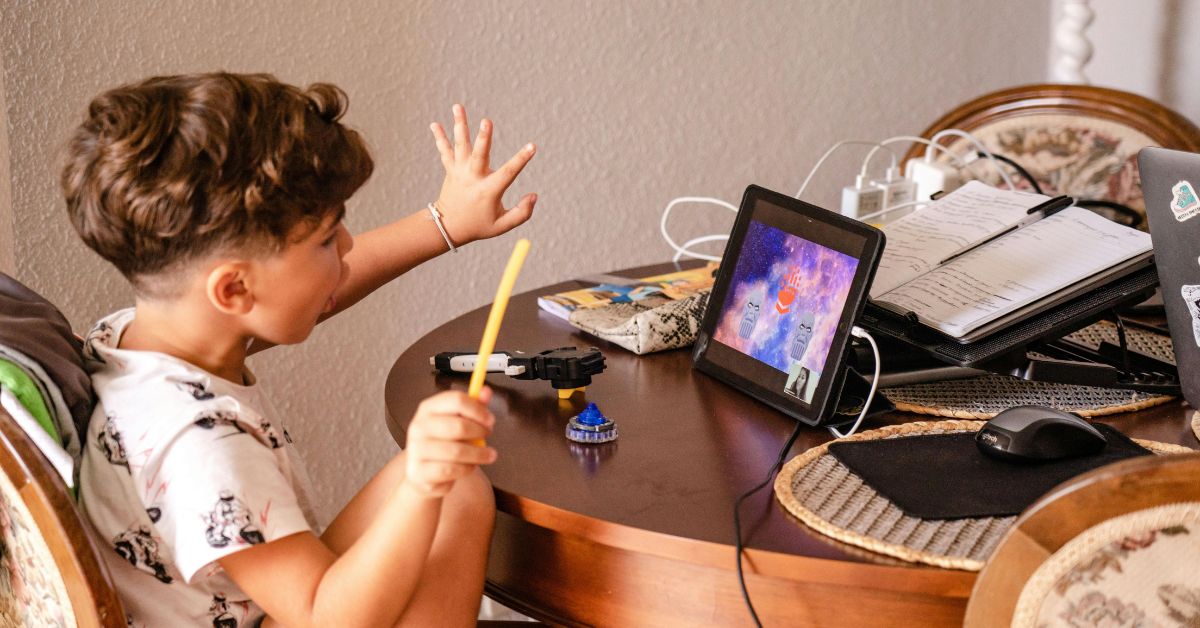
Balancing Screen Time and Creativity for Kids
With thoughtful screen time alternatives, we can help children reconnect to their natural curiosity and creativity while still acknowledging the digital world they live in.

Creative Stress Relief Activities for Busy Adults
With the right stress relief ideas, you can give your brain and body meaningful breaks—not just quick fixes that fade by the next morning.

How to Help Kids Cope with Sensory Overload
With the right sensory overload strategies, we can help kids feel steady again—not by forcing calm, but by understanding their sensory world deeply and compassionately.

Parenting a Neurodivergent Child: What to Know and How to Support Them
Emotional development is the lifelong process of learning to notice, name, understand, express, and manage feelings—while building safe, connected relationships. It weaves together brain growth, body signals (interoception), sensory processing, communication, and social learning. For many kids—especially neurodivergent kids—emotional development is not about “acting right”; it’s about having the right tools, the right supports, and the right pace.

How to Support Your Child’s Emotional Development at Home
Emotional development is the lifelong process of learning to notice, name, understand, express, and manage feelings—while building safe, connected relationships. It weaves together brain growth, body signals (interoception), sensory processing, communication, and social learning. For many kids—especially neurodivergent kids—emotional development is not about “acting right”; it’s about having the right tools, the right supports, and the right pace.

Why Memory Games Matter (Even If You Forgot Where You Put Your Coffee)
Let’s be real: working memory is the unsung hero of executive function. It’s the mental sticky note that helps you remember what you were doing before you opened 14 tabs and forgot why you started any of them. For neurodivergent brains — especially those with ADHD, autism, or other wonderfully wired ways of thinking — working memory can be more like a post-it in a wind tunnel.